

Dragon fruit, a member of the climbing cactus family, was first discovered in South America and Mexico, and is now being commercially cultivated extensively in Asian countries such as Thailand, Vietnam, and the Philippines. In our country, Myanmar, dragon fruit has only become popular relatively recently.

Previously, dragon fruit was only imported from abroad, but in more recent times it has been found to be grown domestically, particularly in the Shan State area, and in Yangon, a few plants have also been found on Mya Padetha Island.
Although it cannot be said to have an especially remarkable taste, it is a fruit that has become notable for being good for health.
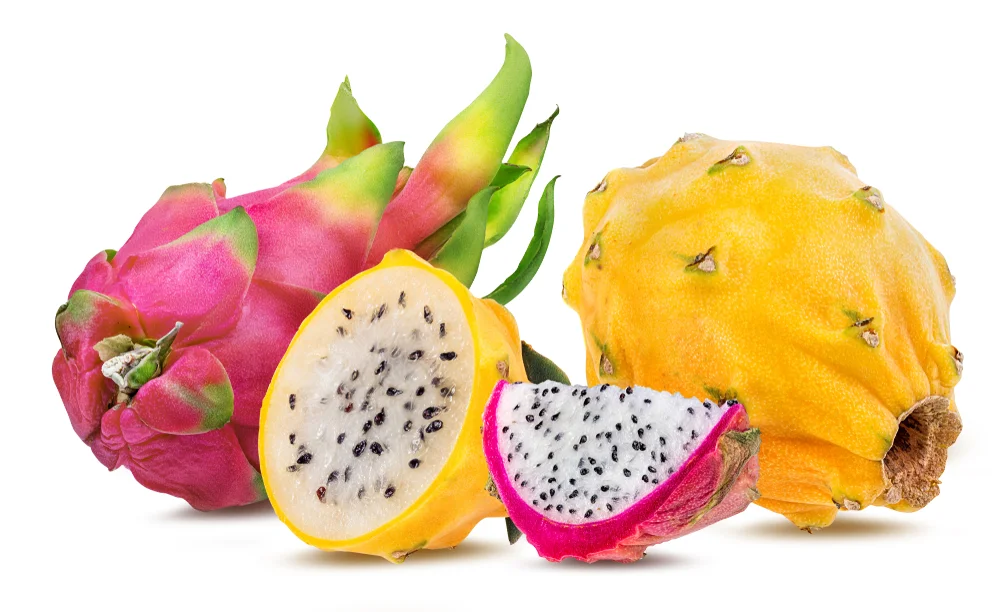
It has a juicy texture with a slightly sweet taste. It contains numerous small black seeds, and the ripe skin of the dragon fruit is generally reddish in color, though it can also be yellow. The flesh inside comes in two types: white and red.
Because dragon fruit has the ability to lower blood sugar levels, it is an extremely suitable fruit for people with high blood pressure and diabetes.
It offers many benefits such as: protecting against cancer by reducing oxidants that can cause cancer, lowering cholesterol, making the skin smooth and moisturized, increasing appetite, aiding digestion, breaking down fats, strengthening teeth and bones, boosting memory and eyesight strength, and helping wounds heal faster. It is a fruit that is especially suitable for people who are unwell or recovering from illness.