
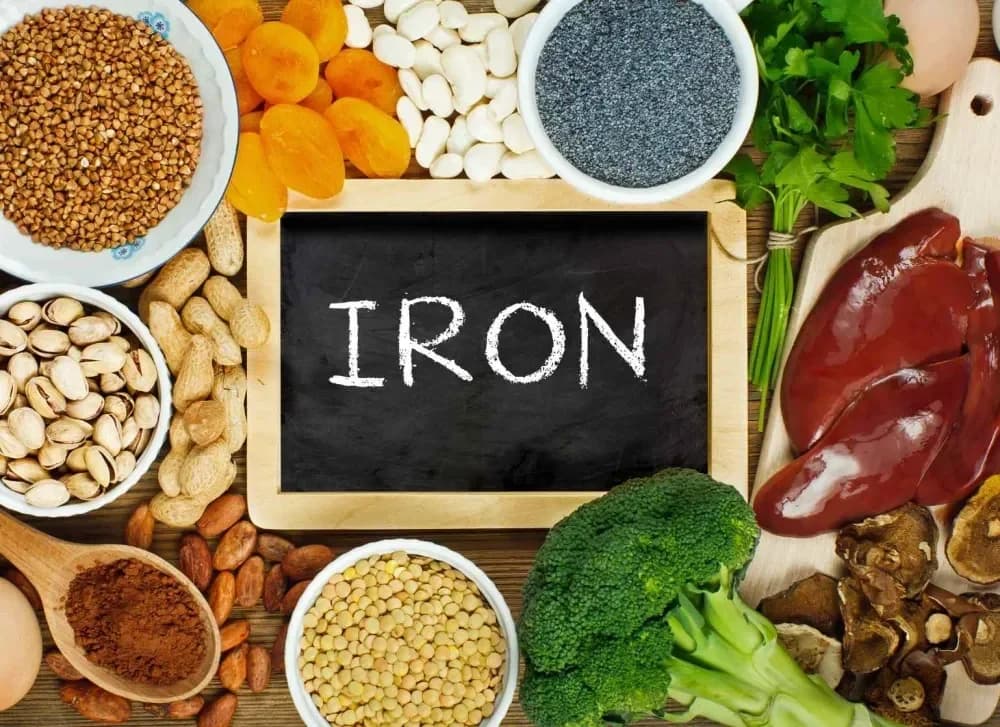
To support the body's physical growth, oxygen transport, energy production, hormone synthesis, and many other essential biological processes, adequate iron, a mineral, is needed. Iron plays a key role in transporting oxygen within the body and is also a type of protein that carries oxygen from the lungs.
People who menstruate need more iron due to monthly blood loss during their periods. Eating less than the daily required amount of iron can lead to insufficient iron intake, which may result in nutritional deficiencies. There are many iron-rich foods to choose from.
Organ Meats
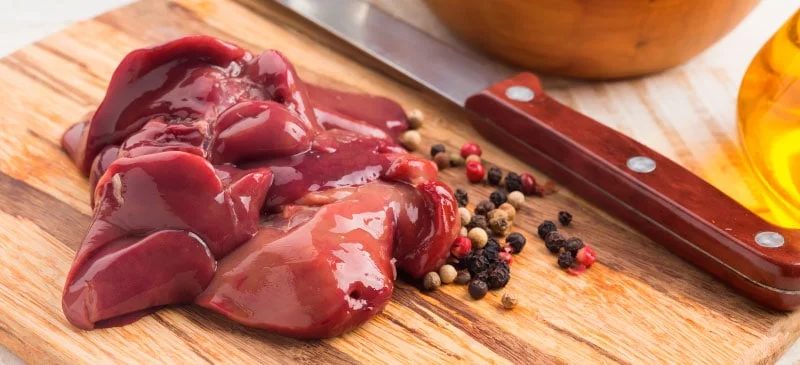
Organ meats are among the most nutrient-dense foods. Besides iron, organ meats contain protein-rich selenium and zinc, vitamin B12, and fat-soluble vitamins such as A, D, E, and K.
Red Meat
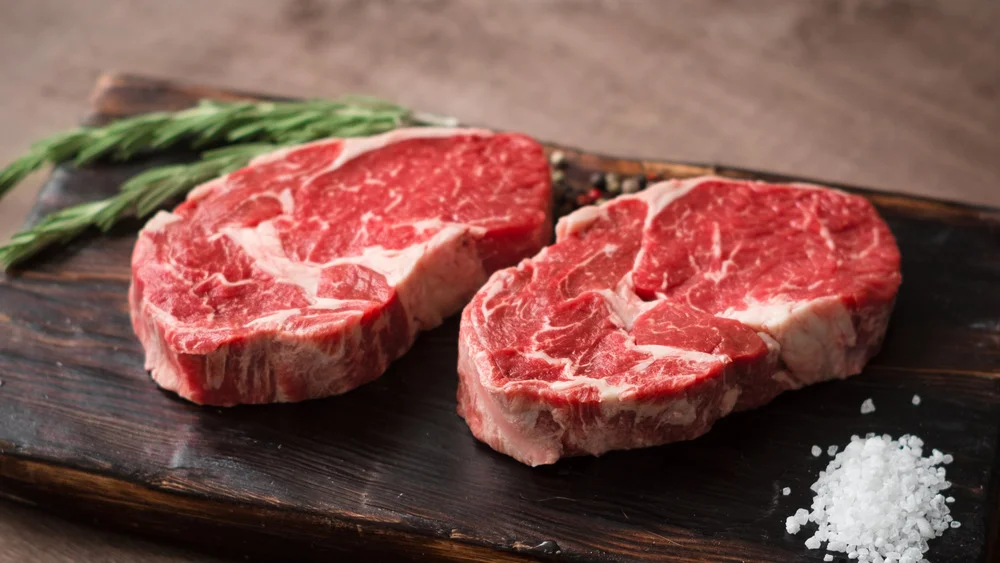
Red meats such as beef and bull meat contain high amounts of iron. Red meats, which contain vitamin B12, zinc, selenium, and protein, can help fulfill the daily iron requirement.
Fish and Shellfish
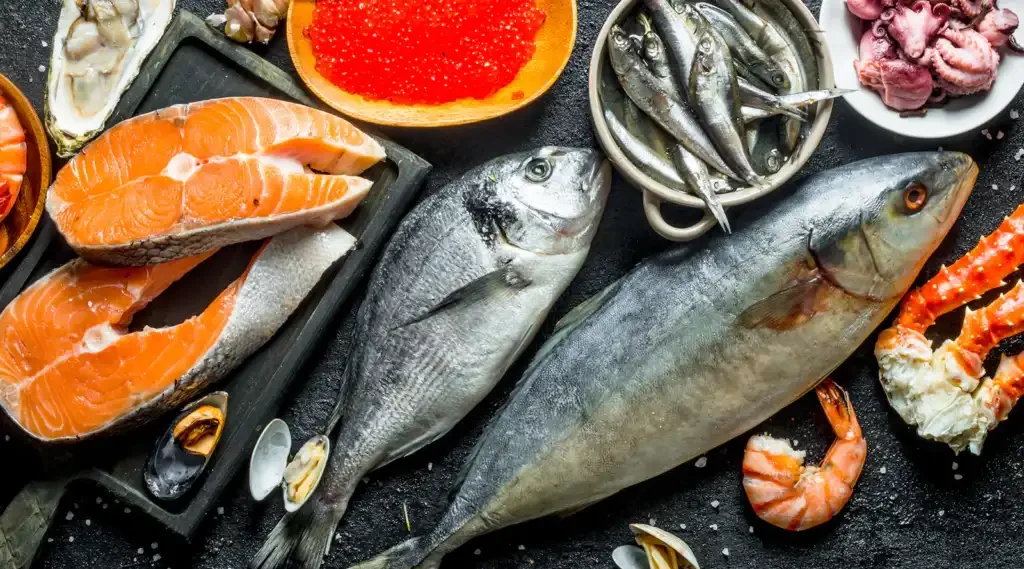
Seafood contains a variety of important nutrients, including iron, selenium, zinc, iodine, and vitamin B12. It also provides omega-3 fatty acids and plays an important role in regulating the immune system and inflammation in the body.
Poultry and Eggs
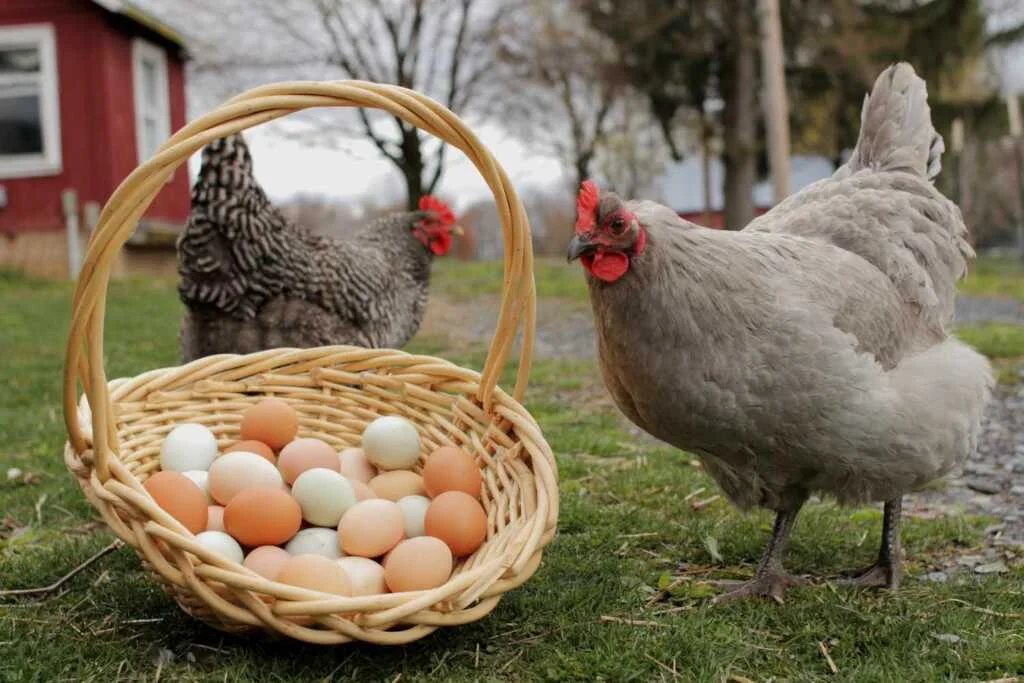
Chicken, turkey, and duck contain minerals such as iron, vitamin B, and selenium. Eggs also contain iron, although in a lower amount compared to red meat, making them another iron-containing food.
Beans and Lentils
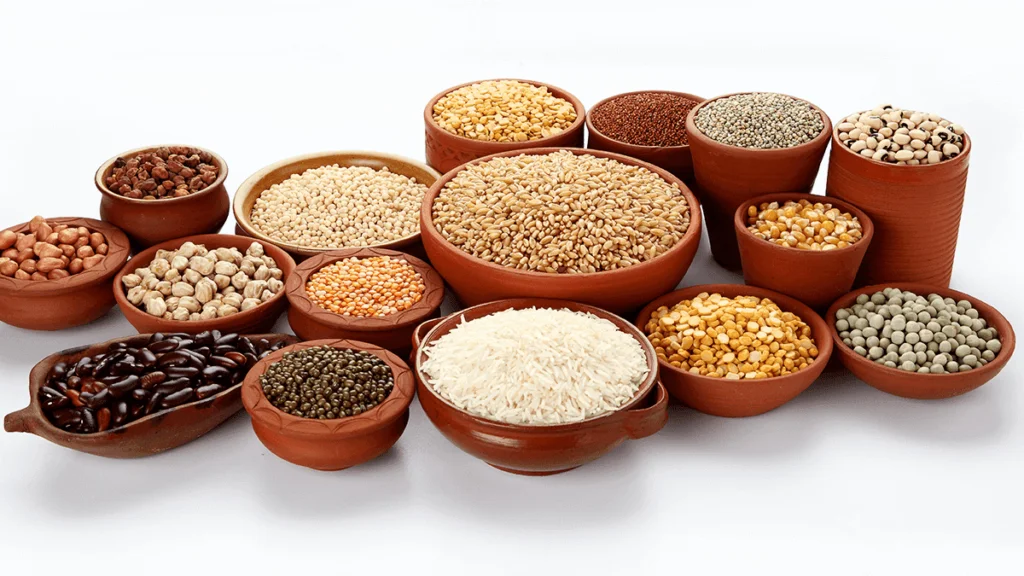
Beans and various types of lentils are rich in fiber, magnesium, folate, and other important nutrients.
Green Vegetables
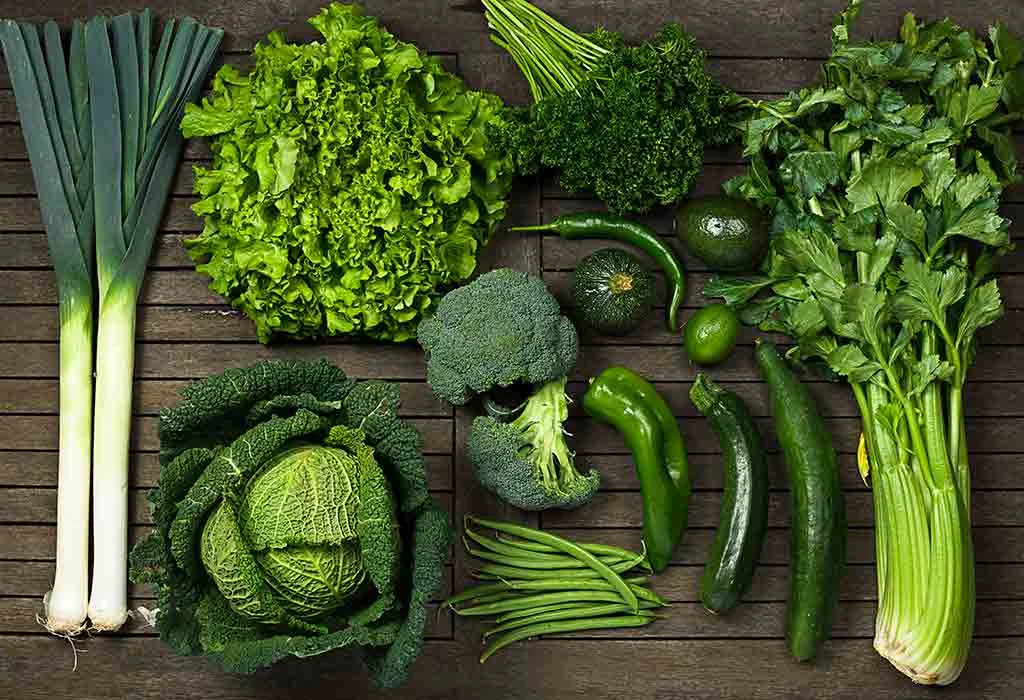
Leafy greens like spinach, kale, and Swiss chard are rich in minerals, as well as important nutrients such as folate, vitamin C, and carotenoid antioxidants.
Soy Products
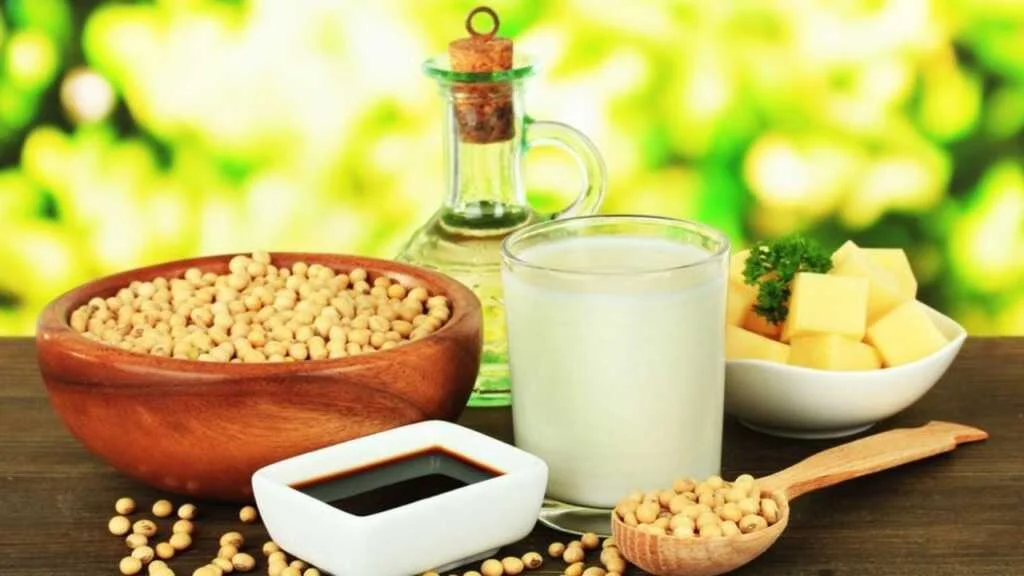
To help meet protein requirements, soy products such as tofu and edamame can also be consumed.