
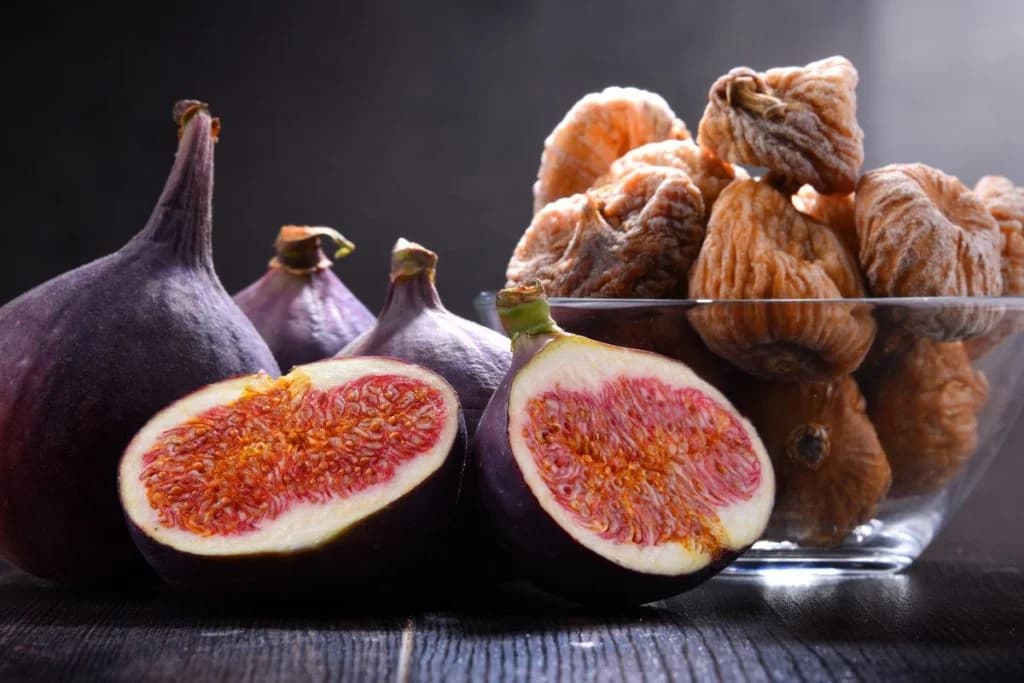
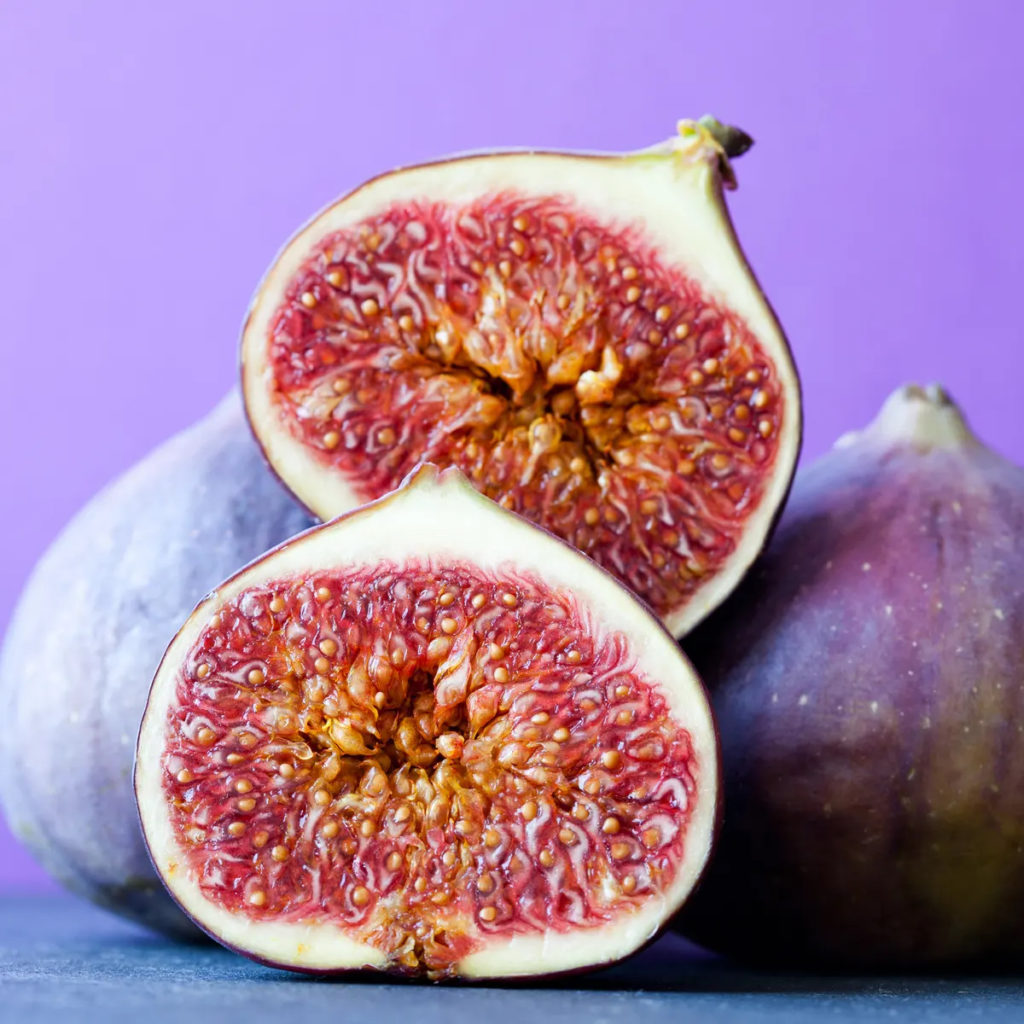
Starting from August, figs begin to ripen and can be found in the market until October.
Those who have tasted fresh, ripe figs will know their overly sweet flavor, reminiscent of a blend of honey and berries. If you like figs, you should also learn how eating them can support your health.
Fiber
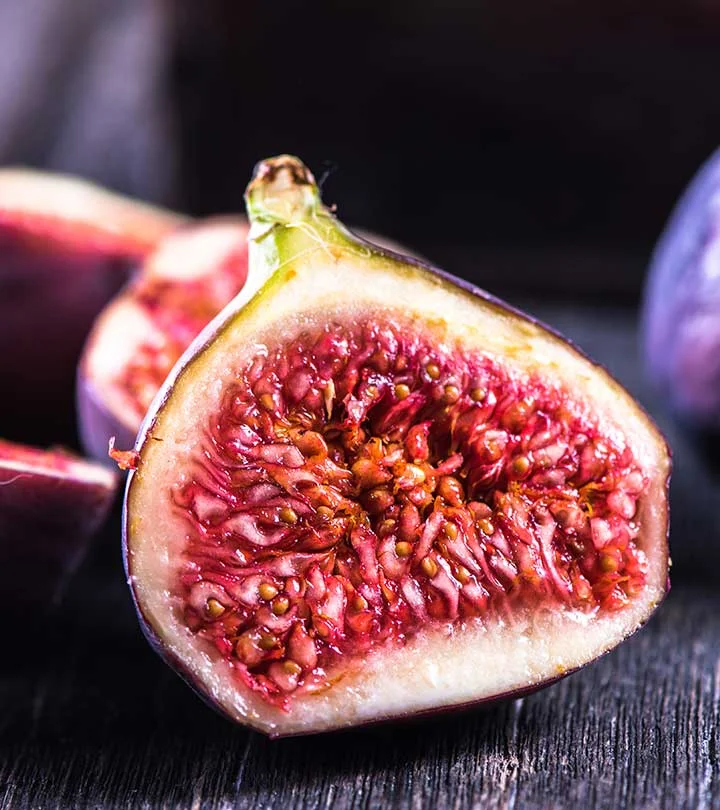
Fiber softens the stool and can support the digestive system. It helps keep the bowels working normally and prevents constipation. It also lowers cholesterol.
Potassium
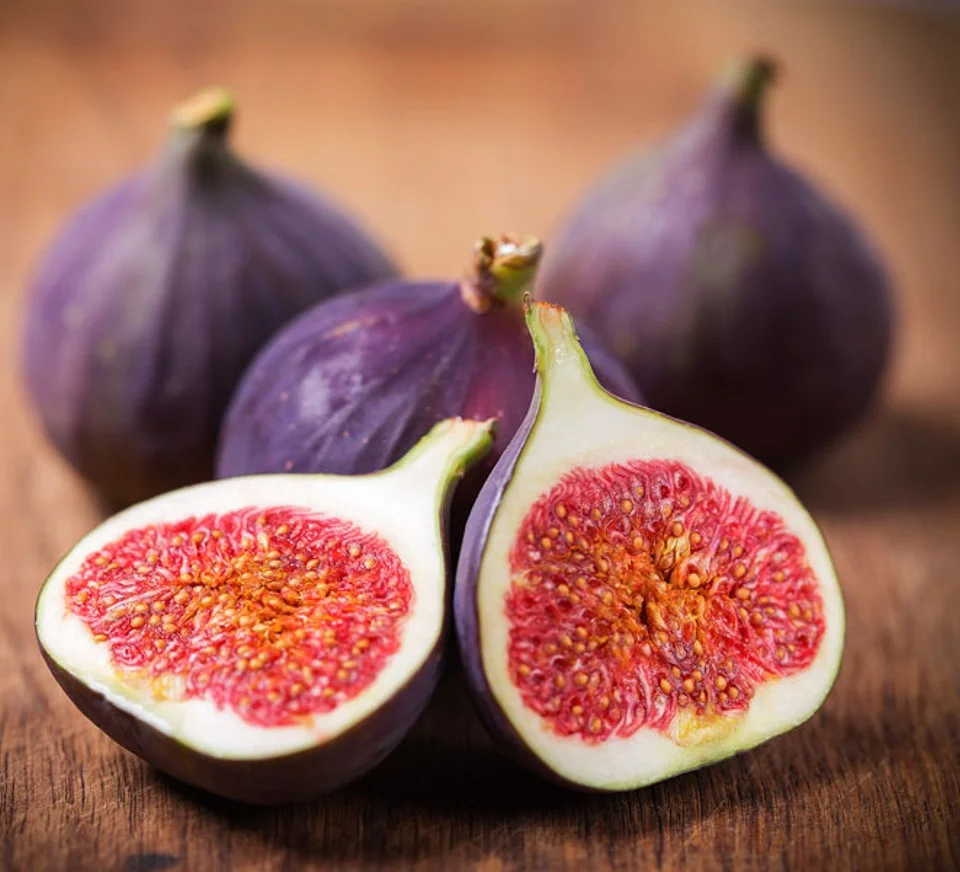
Potassium is extremely important for heart health and blood pressure control. Although potassium can also be obtained from bananas and potatoes, a single large fig contains 148mg of potassium, which is 10 percent of your daily requirement.
Vitamin A
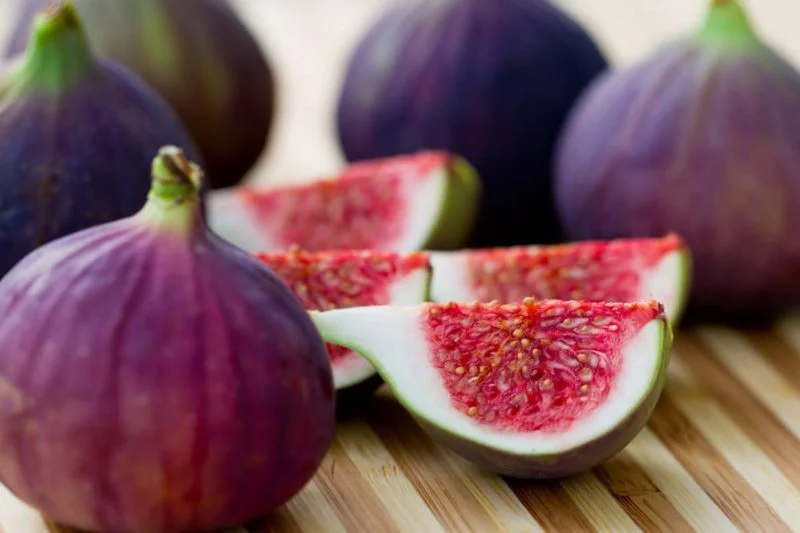
Vitamin A provides support such as boosting immunity, improving vision, keeping the heart, lungs, and other internal organs healthy, and supporting reproduction. Once figs dry out, they can lose their vitamin A, so eat them fresh.
Magnesium
Unlike vitamin A, magnesium does not get lost even if the fig dries out. Magnesium is important for muscle and nerve function, bone health, protein building, and maintaining blood sugar and blood pressure levels.